 Well Rehab
 Rehabilitation Project





This project was implemented by another partner, but is now monitored and maintained by The Water Project together with Mariatu's Hope.
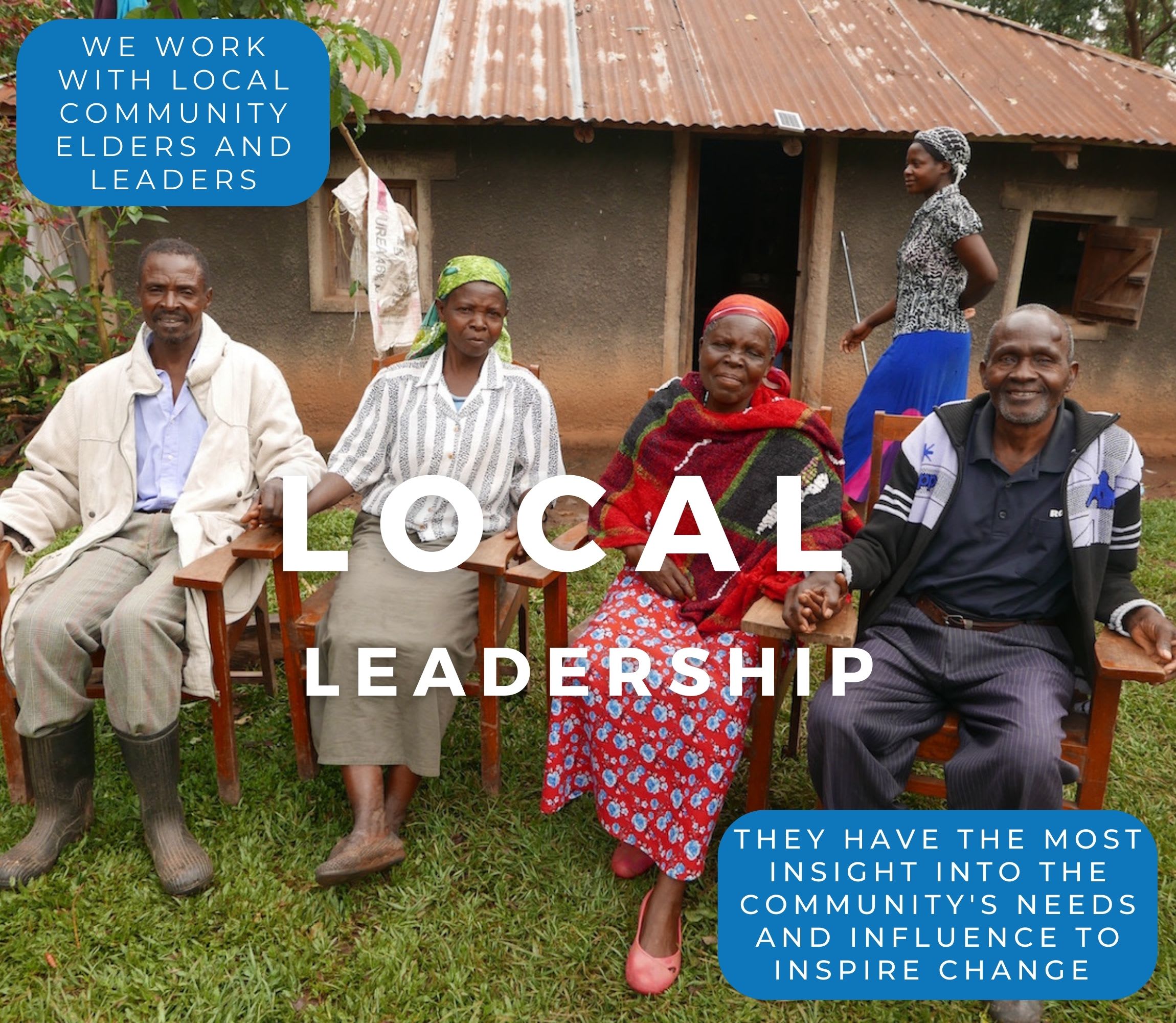
This community has great unity. They had 18 men and 20 women on their water committee. The water committee is responsible for helping maintain the well and collecting a well maintenance fee of USD/Liter $0.02 per 5 gallons. The Sierra Leone team suggested they make the committee smaller and that some of the people could work on the sanitation aspect with the children from the Child Health Club. When the team arrived, community members were utilizing an open, contaminated well located one kilometer away from the community to meet all of their water needs. Because of this, families were suffering from dysentery, typhoid and malaria. During the team’s stay, the community established water committee assisted the team with the water project whenever possible, brought in sand for the well, provided food for the team and helped provide security over the water project during the night. Most community members sustain their families by fishing, harvesting salt, farming and petty trading. The nearest school is located three kilometers away from the community whose students, teachers and administrative personnel all have access to the new, safe water source. Before leaving the community, the team provided community member, Kebineh Bangura, with a contact number in case their well were to fall into disrepair, become subject to vandalism or theft.
The Sierra Leone team had an opportunity to meet with thirty-one year old community member and petty trader, Hawa Kamara, who stated, "The first well the water was red and has a taste, but we thank God for this new well. This new one is protected and free from germs and it will help keep us from sickness."
There were 90 adults and 100 children who attended this hygiene training. This is a catchment community for the full WaSH project at the DEC Mamankie Primary School and some of the children from the Child Health Club were on hand to assist with the hygiene training. The training was implemented fine and there was a lot of interest by the people in the community. They were so happy because they never knew most of the things they were taught. They asked questions about the hygiene lessons they were taught. The students talked to the community about the importance of every household having a toilet of some kind and encouraged people to build native toilets who didn't have any.